180 N Daisy Ave, Pasadena, CA Monday - Sunday: 7AM - 7PM
Licensed & Insured

Pasadena Insulation Contractor for Cooler, Quieter, Healthier Homes

A 100°F afternoon in Pasadena can push your attic past 140°F. If you're in a 1910s Craftsman or a 1920s Spanish Revival, there's often nothing up there to stop that heat, or just a few inches of fiberglass that packed down decades ago. The upstairs bakes, the AC never shuts off, and on winter nights cold air comes up through the floor from an open crawlspace. Quiet Zone Insulation helps Pasadena homeowners fix that. We handle attic insulation, spray foam, blown-in, crawl space insulation, and full removal and replacement, with honest pricing and careful work from start to finish.

Pasadena homes don't follow a template, so we don't use one. Shallow attics in Bungalow Heaven, flat roofs in Playhouse Village, and post-and-beam ceilings in Linda Vista each need a different approach. We plan around Title 24 requirements and historic-district rules, and we'll point out when asbestos testing or a wiring check has to happen before any insulation goes in. In northwest Pasadena, we also remove insulation that's been fouled by Eaton Fire smoke and ash. You'll get a clear plan before any work starts.

  • Bonded
  • Fully insured
  • Financing available

Pasadena homeowners hire us for straightforward advice, clean job sites, and insulation that makes a difference the next time a heat wave hits. From Craftsman bungalows to Mid-Century hillside homes, we treat every house with care.

Request Your Free Estimate

No obligation. Fast, honest quotes.

Your information is never shared.

Online Estimates
Onsite Service
Licensed & Insured
Customer Rated
Local Expertise

Why Pasadena Homes Need Better Insulation

Pasadena gets real summer heat and real winter cold, and much of its housing is more than a century old. Add strict historic rules, wildfire smoke, and a lot of roof rats, and it's easy to see why a generic insulation job usually falls short here.

Climate Zone 9: Hot Attics, Cold Foothill Nights

Pasadena sits in California Building Climate Zone 9, at about 800 to 1,100 feet at the base of the San Gabriel Mountains. From July through September, highs usually land in the low to mid 90s, and most years bring at least one stretch above 100°F. Under a dark roof, attic air gets past 140°F, and that radiant heat moves straight through thin insulation into your bedrooms. In winter, nights near the foothills drop into the 30s and 40s, so you pay to heat the house too. Rainfall averages about 20 inches, mostly between November and March, and the long dry spells leave fine dust settled in attics. In fall and winter, Santa Ana winds push dust and wildfire smoke through unsealed gaps. Those big day-to-night swings also wear down duct joints and air seals faster than in milder places.

A Housing Stock Built Before Insulation Was Standard

Most Pasadena homes were built between 1895 and 1950. That includes the Craftsman bungalows in Bungalow Heaven and along Arroyo Terrace, Spanish Colonial and Mediterranean Revivals, Tudors, and 1920s–30s bungalow courts. When they were new, almost none had insulation. The walls are balloon- or platform-framed with lath and plaster, the windows are single-pane wood sash, and the floors sit over vented crawlspaces. A lot of the attics are shallow, and Spanish or Mid-Century homes with flat roofs may have no attic space at all. In the post-and-beam homes in the Arroyo and eastern hillsides, the ceiling is often exposed beams with nothing above it. Houses from before 1940 sometimes still have live knob-and-tube wiring. Homes built before 1980 can have vermiculite or asbestos-wrapped ducts, which need testing before anyone disturbs them.

Title 24, Historic Review, and PWP

Insulation work in Pasadena follows California's Title 24 Part 6 Energy Code. In Climate Zone 9, the prescriptive ceiling target is about R-38 when compliance is triggered. Duct changes can require testing by a third-party HERS rater. Permits go through Pasadena's Planning & Community Development Department, Building & Safety Division. If your home is in a landmark or historic district such as Bungalow Heaven, Lower Arroyo Seco, Prospect, Markham Place, Orange Heights, Garfield Heights, or Historic Highlands, exterior changes like new roof vents or drill holes on street-facing walls need Design & Historic Preservation review. Interior attic and crawlspace work generally doesn't. Asbestos-suspect material falls under South Coast AQMD Rule 1403. Your electricity comes from Pasadena Water and Power, not SCE, so efficiency incentives depend on PWP's current programs.

Who's Investing in Insulation Here

Median home values in Pasadena are well above $1 million, and houses in the historic districts and hillsides often sell for $1.5M to $4M. Owners here tend to protect original finishes, and they expect the numbers to hold up, whether that's R-values or HERS test results. Recent buyers are often working through inspection reports. Landlords who own bungalow courts want lower utility costs and fewer tenant complaints. Long-time residents staying in their homes care most about comfort and clean indoor air. After the Eaton Fire, many households in northwest Pasadena need contaminated insulation removed now.

Know The Signs

Common Insulation Problems in Pasadena Homes

These are the problems we run into most in Pasadena attics, walls, and crawlspaces. Some are just uncomfortable, and some need attention soon. Each one ties back to the city's climate, how its homes were built, or the fire and pest pressures here. Knowing which one you have makes the fix clearer.

Smoke- and Ash-Contaminated Attic Insulation

Emergency

In the January 2025 Eaton Fire, fine soot, ash, and smoke residue settled into loose-fill and batt insulation. That insulation keeps holding odor and particulates, and they can work their way back into your living space through ceiling penetrations and the HVAC system.

Why it happens here

The fire burned through Altadena and along the edges of northwest Pasadena, and wind carried smoke well beyond the burn area. Older homes have unsealed attic bypasses and passive gable or eave vents, so ash got right into the insulation. Loose fiberglass and cellulose trap particulates the way a filter does, which means you can't clean them in place. During Santa Ana season, dry gusts stir that residue up again, so problems can show up months after the fire.

Signs to watch for
  • Smoky or acrid odor, especially on hot days
  • Gray or black streaks on insulation near vents
  • Ash visible on attic framing or ductwork
  • Dust or soot around ceiling registers
  • Headaches or irritation after time indoors
  • Insurance inspector flagged the attic
Local patterns

Most common in Linda Vista, the San Rafael Hills, and neighborhoods north of Washington Boulevard near Altadena. Craftsman homes with open eaves and Spanish homes with old clay-tile vents are the worst affected. We also see residue on downwind properties farther south.

Our fix

We remove all the contaminated insulation by vacuum, HEPA-clean the attic surfaces, air seal, and blow in fresh insulation to R-38. We photo-document each step so you have records for your insurance claim.

Rodent-Contaminated Insulation

Serious

Roof rats tunnel through attic insulation, nest in it, and leave droppings and urine behind. Once that happens, the insulation is a health hazard, it smells, and it doesn't insulate well anymore because the tunnels and compressed spots let heat pass straight through.

Why it happens here

Pasadena's mature tree canopy, with its oaks, palms, and fruit trees, gives roof rats easy access to rooflines. Older homes have open rafter tails, gaps in the eaves, and worn vent screens they can squeeze through. Loose fill in a warm, dry attic makes good nesting material. In the 1920s homes we've opened up, years of droppings were sitting under a thin top layer of insulation where nobody had noticed them.

Signs to watch for
  • Scratching sounds at night
  • Droppings in attic or garage
  • Tunnels or flattened trails in insulation
  • Ammonia-like odor upstairs
  • Chewed wiring or duct wrap
  • Higher cooling bills with no other explanation
Local patterns

Common in Bungalow Heaven, Madison Heights, Orange Heights, and South Lake, where big trees hang over the roofs. Bungalow courts with shared rooflines often have infestations that spread from one unit to the next.

Our fix

We remove the contaminated insulation, sanitize the attic, and seal entry points. Then we install new blown-in or batt insulation. If rats are still active, we'll tell you to bring in pest control first.

Missing or Compressed Attic Insulation

Moderate

Many attics here have bare joists or 2 to 4 inches of old fiberglass, which works out to roughly R-5 to R-11. That's far below the R-38 Title 24 target for Climate Zone 9, and insulation that settles over time loses even more.

Why it happens here

Most Pasadena homes went up before anyone required insulation. Whatever was added in the 1970s or 80s has usually been walked on and packed down by contractors, or pushed aside during wiring and HVAC work. When an attic hits 140°F on a 100°F day, that much heat overwhelms thin insulation. The upstairs ends up 10 degrees or more warmer than the ground floor, and the AC runs all afternoon.

Signs to watch for
  • Upstairs rooms much hotter than downstairs
  • Ceilings warm to the touch in summer
  • You can see the tops of the joists
  • AC runs nonstop on hot afternoons
  • Cold rooms on winter nights
  • High PWP bills in summer
Local patterns

We see this all the time in Craftsman bungalows in Bungalow Heaven and Historic Highlands, and in 1950s ranch homes in Hastings Ranch and East Pasadena where the original insulation has settled.

Our fix

We air seal the attic floor, then blow in fiberglass or cellulose to R-38 or higher, with baffles to keep the eaves vented. Most attics take one day.

Air Leaks Letting In Smoke, Smog, and Dust

Moderate

Gaps around top plates, light fixtures, plumbing stacks, chimneys, and dropped soffits let attic air into your living space. Insulation slows heat, but it doesn't stop air, so these openings have to be sealed separately.

Why it happens here

Balloon framing in older homes leaves wall cavities open straight up into the attic. A century of remodeling has added more holes. The San Gabriel Valley has regular summer smog and wildfire smoke, and Santa Ana winds push dust and smoke through every gap they find. In houses this old, air leakage can waste as much energy as having no insulation.

Signs to watch for
  • Dust lines on carpet edges or insulation
  • Smoke odor indoors on bad-air days
  • Drafts around outlets and fixtures
  • Rooms that are hard to keep cool
  • Dirty-looking insulation over ceiling lights
  • HVAC filters clog fast
Local patterns

Most noticeable in pre-1930 balloon-framed homes in Garfield Heights, Orange Heights, and around Old Pasadena. It's also common in Mid-Century homes whose recessed cans were never sealed.

Our fix

Before we add insulation, we seal the bypasses, top plates, and penetrations with foam and fire-rated sealants. This cuts dust, smoke, and energy loss.

Uninsulated Raised-Floor Crawlspaces

Minor

Homes on raised foundations have vented crawlspaces underneath, and the floor above usually has no insulation. In winter, cold outside air moves under the house and pulls heat out through the floorboards.

Why it happens here

Builders in Pasadena used raised foundations for decades, from the 1900s through the 1950s, and almost never insulated the floor. Those crawlspaces have to stay vented, so the subfloor gets as cold as the outside air. Foothill nights in the 30s and 40s turn into cold hardwood and high SoCalGas bills. Crawlspace insulation also has to work around seismic retrofit hardware.

Signs to watch for
  • Cold floors in winter
  • Drafts at baseboards
  • Rooms over the crawlspace feel chilly
  • Higher gas bills December–February
  • Fallen or sagging old batts below
  • Musty odor from below
Local patterns

Common under Craftsman homes in Bungalow Heaven and Madison Heights, under Spanish homes in Playhouse Village, and in bungalow courts across South Lake and Lamanda Park.

Our fix

We put insulation batts between the floor joists with proper supports, add vapor-permeable facing where it's needed, and seal any ducts that run through the crawlspace.

Asbestos-Suspect Vermiculite or Old Duct Wrap

Serious

Vermiculite is a gray-brown, pebbly loose fill, and some of it contains asbestos. White chalky duct wrap from before 1980 can too. Either one has to be tested before anyone moves it, and if it's positive, it has to be handled under South Coast AQMD Rule 1403.

Why it happens here

Vermiculite was a popular attic fill from the 1940s through the 1970s, so it shows up in a lot of Pasadena houses that were re-insulated during those years. Asbestos duct wrap was also common. If someone disturbs it without testing, fibers can spread through the house.

Signs to watch for
  • Pebbly, gray-brown or gold loose fill
  • Chalky white wrap on old ducts
  • Previous inspection report mentions vermiculite
  • Pre-1980 HVAC equipment
  • Crumbly material at duct joints
Local patterns

We see it in 1940s–60s homes in Chapman Woods, Hastings Ranch, and East Pasadena, and in older homes that got upgrades around mid-century.

Our fix

We stop work and arrange lab testing. If the result is positive, licensed abatement goes first, and then we re-insulate.

No-Attic Roofs and Exposed-Beam Ceilings

Moderate

Flat Spanish roofs, low-slope Mid-Century roofs, and post-and-beam ceilings often have no attic or very little space above the ceiling. That rules out ordinary blown-in insulation, so the roof acts like a heater all summer.

Why it happens here

Pasadena has a lot of Spanish Colonial homes and post-war Modern homes by Cliff May and Buff & Hensman. In those designs, the roof deck is the ceiling. Under full sun, rooms beneath that kind of roof can run 10–15°F hotter than the rest of the house.

Signs to watch for
  • Ceiling noticeably hot by midday
  • No attic access hatch
  • Rooms with beam ceilings overheat
  • Condensation on cold winter mornings
  • Single-pane glass adds to heat gain
Local patterns

Common in Playhouse Village Spanish homes, Linda Vista and the San Rafael Hills Moderns, and the eastern hillside post-and-beam homes.

Our fix

Depending on the roof, we use spray foam in any cavity we can reach, dense-pack insulation in closed cavities, or coordinate above-deck insulation when the roof is being replaced.

What We Do

Insulation Services for Pasadena Homes

Every service below is set up for the homes and conditions we actually find in Pasadena: shallow Craftsman attics, flat-roofed Spanish homes, raised crawlspaces, and attics fouled by rodents or smoke. We'll suggest the method that suits your house, your budget, and any historic-district limits. We won't upsell you on the most expensive option.

Specialty

Attic Insulation

We bring under-insulated attics up to R-38 or higher, the Title 24 target for Climate Zone 9. That means sealing air leaks first, adding baffles at the eaves, and building insulation dams around access hatches and fixtures.

Our approach

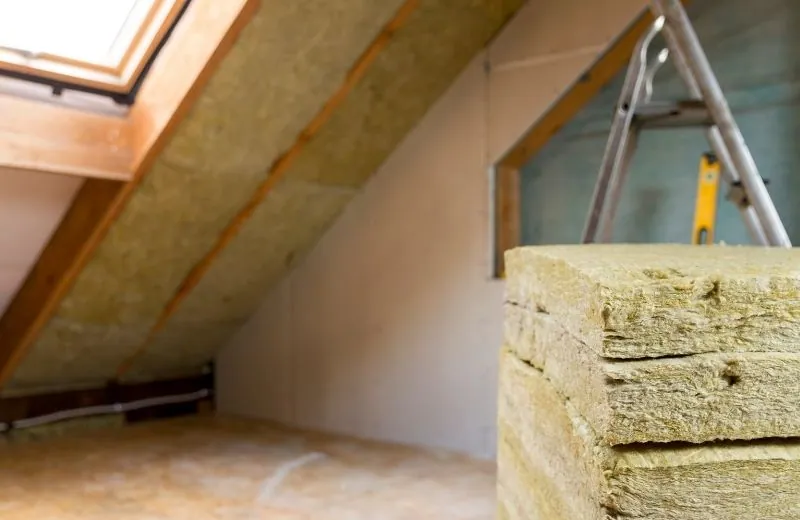
First, we measure how deep your existing insulation is and check for contamination, knob-and-tube wiring, and vermiculite. Then we seal bypasses, install ventilation baffles, and add blown or batt insulation to an even, consistent depth, marked with depth rulers.

In Pasadena, CA

Shallow Craftsman attics in Bungalow Heaven and Historic Highlands don't leave much room to move. We plan the routes and choose materials so we get full coverage without crushing ducts or wiring. Because this is interior work, it usually doesn't need historic-preservation review.

Best for

Upstairs rooms that overheat, high summer PWP bills, homes with less than 6 inches of attic insulation, and buyers fixing items from an inspection report.

Specialty

Spray Foam Insulation

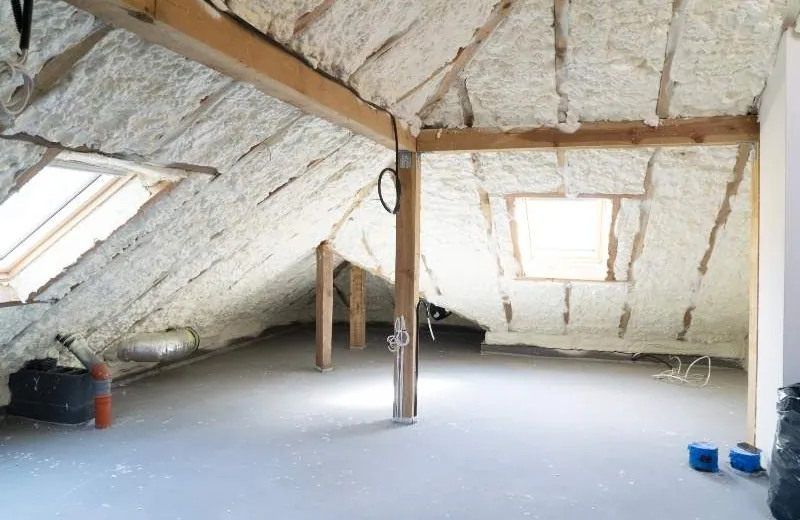
We install open-cell or closed-cell spray foam, which insulates and air seals in a single layer. It's a good fit for rooflines, rim joists, tight cavities, and spots where batts or loose fill just won't work.

Our approach

We pick open-cell or closed-cell foam based on the space and what you're trying to achieve, then mask and protect the surrounding finishes. Foam is applied in controlled passes to the specified thickness, and we ventilate the area properly before you go back in.

In Pasadena, CA

It's ideal for low-slope Spanish and Mid-Century roofs in Playhouse Village, Linda Vista, and the San Rafael Hills, where there's little or no attic. It's also good for ADUs and garage conversions that have to meet current Title 24 energy rules.

Best for

Flat or cathedral ceilings, conditioned attics with ductwork inside, ADU builds, and homeowners who want maximum air sealing against smoke and smog.

Blown-In Insulation

We blow loose-fill fiberglass or cellulose into attics. Where it makes sense, we also dense-pack it into closed wall cavities, filling around framing and wiring with no gaps or compressed spots.

Our approach

In attics, we blow insulation to the depth needed for your target R-value. In walls, we drill small holes, dense-pack each cavity, then plug and patch the holes. Whenever we can, we work from inside or from secondary walls to protect original plaster and siding.

In Pasadena, CA

In Pasadena's historic districts, drilling street-facing exterior walls can trigger Design & Historic Preservation review. We'll walk you through options like working from the interior or the rear of the house so you can stay comfortable and still keep the home's character.

Best for

Most attics with enough clearance, uninsulated lath-and-plaster walls, and budget-conscious projects that need high R-value per dollar.

Crawl Space Insulation

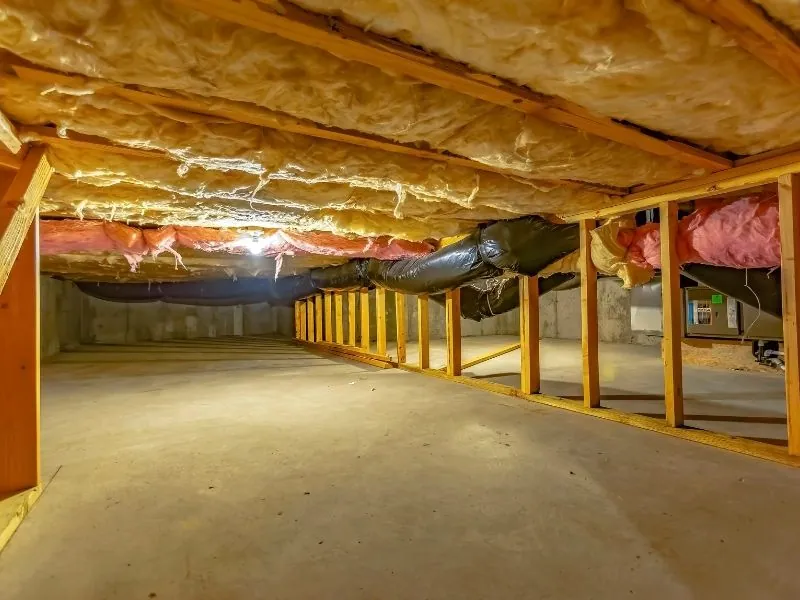
We insulate the raised floors over vented crawlspaces so your floors stay warmer in winter. We also seal and insulate any ductwork that runs under the house.

Our approach

We install batts between the floor joists, held in place with wire supports or netting so they don't sag. Where it's needed, we use vapor-permeable materials, and we seal penetrations through the subfloor. We work around any seismic retrofit hardware without disturbing it.

In Pasadena, CA

Foothill winter nights in the 30s and 40s make cold floors a real issue in Madison Heights, Bungalow Heaven, and the bungalow courts around South Lake and Lamanda Park.

Best for

Cold hardwood floors, high winter gas bills, raised-foundation homes, and rental units where tenants complain about drafts.

Insulation Removal

We vacuum out old, contaminated, or failed insulation, including material fouled by rodents, smoke, or ash. Afterward, the attic is cleaned and sanitized so the new insulation goes into a clean space.

Our approach

We use a high-powered vacuum and bag the insulation for disposal. Then we HEPA-clean the framing and sanitize the attic. If we suspect vermiculite or asbestos, everything stops until it's tested, and licensed abatement handles it if needed.

In Pasadena, CA

After the Eaton Fire, a lot of homes in northwest Pasadena and Linda Vista need smoke and ash residue removed. We photo-document the work so your insurance claim is easier to support.

Best for

Attics with rodent damage, smoke and ash contamination, mold or moisture damage, or so many old layers that adding more on top isn't a good idea.

Insulation Replacement

We do the whole job: remove the old insulation, sanitize, air seal, and reinstall to current Title 24 levels. You get one crew handling one coordinated project, and you don't have to schedule separate contractors.

Our approach

We tear out, clean, seal entry points and bypasses, add baffles, and then install new blown-in, batt, or spray foam insulation. If ductwork is also being replaced, we coordinate with your HVAC contractor and the HERS rater.

In Pasadena, CA

It's a common choice for Pasadena buyers who inherit a neglected attic, and for landlords turning over bungalow-court units. We'll also help you check whether the work may qualify for current PWP efficiency programs.

Best for

Homes with contaminated or badly compressed insulation, older attics being brought up to code, and owners who want the job done right once.

Insulation Installation

We insulate walls, floors, attics, and ceilings in new construction, additions, remodels, ADUs, and garage conversions, installed to meet current Title 24 Part 6 requirements.

Our approach

We work from your plans and energy compliance documents. Batts, blown-in, or spray foam go in at the specified R-values, and we install them so they're ready for inspection and any HERS verification.

In Pasadena, CA

ADUs and garage conversions have been going up all over Pasadena since about 2017. They have to pass Building & Safety inspection, and we work around your builder's schedule.

Best for

ADUs, additions, gut remodels, garage conversions, and open-wall renovations where cavities are exposed.

Simple & Transparent

How Your Insulation Project Works

We keep things simple and predictable. From the first visit to final cleanup, you'll know what's happening, what it costs, and how long it'll take.

Free In-Home Assessment

  • Inspect attic, crawlspace, and accessible walls
  • Measure existing insulation depth and estimate R-value
  • Check for rodent activity, smoke residue, and moisture
  • Flag vermiculite, knob-and-tube wiring, or asbestos-suspect duct wrap

We'll note whether your home is in a Pasadena historic district and whether any exterior work could trigger preservation review.

45–90 minutes, usually scheduled within a few days

Clear Proposal and Options

  • Itemized written quote with material and R-value specified
  • Good/better options where they make sense
  • Notes on permits, HERS testing, or testing needs
  • Financing options explained if you want them

We'll point out where PWP efficiency programs might apply so you can check eligibility before you commit.

Usually within 1–3 business days

Prep, Testing, and Coordination

  • Arrange asbestos testing if suspect material exists
  • Coordinate with electricians on knob-and-tube concerns
  • Handle permit steps with Building & Safety when required
  • Schedule a work date that suits you

In summer, we schedule attic work for the morning when we can, because Pasadena attics get dangerously hot by afternoon.

A few days to a few weeks depending on permits or testing

Installation Day

  • Protect floors, furniture, and access paths
  • Remove and dispose of old insulation if included
  • Air seal bypasses and install baffles
  • Install new insulation to the specified depth

In older homes, we protect original plaster, built-ins, and woodwork. Hallways in Craftsman homes get extra floor protection.

Most attics 1 day; removal plus replacement 2–3 days

Walkthrough and Cleanup

  • Show you before-and-after photos
  • Confirm depth markers and coverage
  • Full cleanup of work areas
  • Provide documentation for inspections, HERS, or insurance

Fire-affected homeowners get photo documentation to support their insurance claims.

Same day as completion
The Quiet Zone Insulation Difference

Why Pasadena Homeowners Choose Quiet Zone Insulation

We Know Pasadena's Houses, Not Just Insulation

A 1912 Craftsman in Bungalow Heaven and a 1958 post-and-beam in Linda Vista need completely different approaches. We plan around shallow attics, balloon-framed walls, flat Spanish roofs, and raised crawlspaces, so you won't get a one-size-fits-all bid. We also know the local details that change the scope, such as Climate Zone 9 R-value targets, historic-district review for exterior work, and the fact that your electricity comes from PWP, not SCE. That knowledge keeps you from paying for the wrong fix.

Bonded and Insured for Your Protection

Quiet Zone Insulation is bonded and insured. When we're up in your attic or down in your crawlspace, you're protected if something goes wrong. That matters in homes where original plaster, old-growth framing, and hand-built woodwork can't easily be replaced. Before work starts, ask for our documentation and we'll send it right away. We think every homeowner should check this before letting any contractor into the house.

Honest, Itemized Pricing

Every quote spells out what's included: removal, sanitizing, air sealing, baffles, the insulation material itself, and the R-value we're installing. If something comes up that could change the scope, like possible vermiculite or knob-and-tube wiring, we tell you before we start, not halfway through the job. We'll also tell you if a cheaper option will do the job. Plenty of attics just need a top-up, not a full tear-out.

Focused on What Actually Works: Insulation

Insulation is what we do. Attic insulation, spray foam, blown-in, crawl space insulation, removal, and replacement are our entire business. Because we stay focused, we can match the material and method to each space: dense-pack for closed cavities, spray foam where there's no attic, and blown-in where it gives you the most R-value for the money. And we always air seal first.

Respect for Historic and High-Value Homes

Many of our clients live in landmark districts or have spent years restoring their homes. We protect floors and finishes, work from the inside whenever we can, and tell you in advance about any exterior work that may need Design & Historic Preservation review. You'll get a better-performing house, and its character stays intact.

Help With Contaminated and Fire-Affected Attics

Rodent droppings, decades of dust, and Eaton Fire smoke and ash all mean the old insulation has to come out before anything new goes in. We remove it, HEPA-clean and sanitize the attic, seal rodent entry points, and re-insulate, with photo documentation the whole way. If you're dealing with an insurance claim, we'll give you a clear, itemized scope your adjuster can follow.

Financing That Makes Upgrades Possible

Comfort upgrades shouldn't have to wait for a bigger budget. We offer financing so you can insulate before summer heat waves or winter cold arrive, instead of putting it off another year. Ask about financing during your free quote, and we'll go over the options with you without any pressure.

Trusted Locally

Trusted by Pasadena Homeowners

Pasadena homeowners hire us for straightforward advice, clean job sites, and insulation that makes a difference the next time a heat wave hits. From Craftsman bungalows to Mid-Century hillside homes, we treat every house with care.

R-38
Climate Zone 9 Attic Target We Build To
20 mi
Service Radius Around Pasadena
$0
Cost for Your In-Home Quote
7
Insulation Services Offered
BondedInsuredFinancing Available
Where We Work

Insulation Services Across Pasadena

We work throughout Pasadena, from the historic bungalow neighborhoods to the hillside Moderns and the post-war east side. Each part of the city has its own common home styles and insulation issues, and we plan every job around them.

Northwest Pasadena & The Arroyo

Linda VistaSan Rafael HillsLower Arroyo SecoHistoric Highlands

Central & Historic Pasadena

Bungalow HeavenMadison HeightsOld PasadenaPlayhouse VillageOrange Heights & Garfield HeightsSouth Lake / Lake Avenue

East Pasadena

Hastings RanchChapman WoodsLamanda ParkEast Pasadena

We serve all of Pasadena and homes within about 20 miles of the city. Not sure if you're in range? Contact us and we'll confirm. Not sure if we cover your area? Call (626) 669-1380.

Transparent Pricing

What Insulation Costs in Pasadena

What you'll pay depends on your home's age, how easy the space is to reach, and whether the old insulation has to come out first. Below are the main cost drivers and some typical Pasadena price ranges. Your free quote will give you exact numbers for your house.

Primary Factor

Removal and Contamination

The biggest variable is whether your old insulation can stay. A clean attic with settled fiberglass can usually just be topped up. Insulation fouled by rodent droppings, decades of dust, or Eaton Fire smoke and ash has to be vacuumed out, the attic sanitized, and entry points sealed. That can add roughly $1.50–$3.00 per square foot before any new insulation goes in.

Primary Factor

Square Footage and R-Value Target

The cost of materials and labor goes up with the size of the area and how deep the insulation needs to be. Getting a bare or nearly bare attic to R-38, the Climate Zone 9 target, takes much more material than topping up an attic that already sits at R-19. Pasadena's larger period homes and two-story Revivals simply have more area to cover.

Secondary Factor

Access and Space Constraints

Shallow Craftsman attics, tight crawlspaces, and flat roofs with no attic take more labor and sometimes a different method. Spray foam and dense-pack cost more per square foot than open-attic blown-in, but they're often the only thing that works in Spanish and Mid-Century homes.

Secondary Factor

Material Choice

Blown fiberglass and cellulose give you the most R-value for the money in open attics. Open-cell spray foam sits in the middle on price, and closed-cell costs the most per inch but adds air sealing and moisture control. We'll explain the tradeoffs and recommend what makes sense for your house, not just the priciest option.

Variable Factor

Testing, Permits, and Coordination

Asbestos testing for suspected vermiculite, electrical evaluation for knob-and-tube wiring, permits, and HERS verification when ducts are involved can all add cost and time. Not every project needs them, and we'll tell you upfront which ones apply to yours.

Typical projectDetailsEstimated range
Attic top-up, clean existing insulation1950s Hastings Ranch ranch home, ~1,400 sq ft attic, air sealing plus blown-in to R-38$2,800 – $4,800
Full removal and replacement after rodents or smoke1920s Craftsman in Bungalow Heaven or Linda Vista, ~1,200 sq ft attic, removal, sanitizing, sealing, new R-38$6,000 – $11,000
Spray foam for a low-slope roofSpanish or Mid-Century home with no usable attic, ~900 sq ft of roofline or ceiling$7,000 – $14,000
Raised-floor crawlspace insulation~1,100 sq ft under a Madison Heights or South Lake bungalow, batts with supports$2,500 – $5,000

Financing is available, so you can spread the cost over time and still get the work done before the next heat wave. Ask about it when you request your free quote. With summer highs in the 90s and winter nights in the 30s, a properly insulated and air-sealed home in Pasadena cools and heats more evenly, takes some load off your HVAC, and keeps out more smoke and dust. It's also an upgrade buyers notice.

Questions & Answers

Pasadena Insulation FAQs

How much does attic insulation cost in Pasadena?

For most Pasadena homes, adding blown-in insulation to an attic with clean existing insulation runs about $2,800–$4,800, including air sealing, for an attic of roughly 1,200–1,600 square feet. If the old insulation is contaminated by rodents or smoke and has to be removed and the attic sanitized, expect about $6,000–$11,000. Spray foam for flat or low-slope roofs usually costs more. Things that change the price are access, how much R-value you're adding, and whether testing or permits are needed. We give free, itemized quotes, and financing is available.

How long does an insulation project take?

Most attic top-ups take one day. A full removal and replacement usually takes two to three days, because the old insulation comes out, the attic gets sanitized and sealed, and then the new insulation goes in. Crawlspace jobs often take a single day. Spray foam can take one to three days depending on the area, plus time to ventilate. If your project needs asbestos testing, an electrical check for knob-and-tube wiring, or a permit, add some lead time before installation day. We'll give you a realistic schedule in your proposal.

Do I need a permit or historic review to insulate my Pasadena home?

It depends on the scope. Interior attic and crawlspace insulation in Pasadena generally doesn't need Design & Historic Preservation review, even in districts like Bungalow Heaven or Orange Heights. Exterior changes are different. New roof vents, or drilling street-facing walls for blown-in insulation, can trigger review in landmark and historic districts. Under Title 24, some alterations, especially ductwork changes, may need a permit from Building & Safety and HERS verification. We'll tell you during the assessment what applies to your house.

What R-value do I need in Pasadena?

Pasadena is in California Climate Zone 9, and the Title 24 prescriptive target for ceilings and attics is about R-38 when compliance is triggered. In practice, that's roughly 12 to 14 inches of blown fiberglass, depending on the product. Many older Pasadena attics are currently around R-5 to R-11, or have nothing at all. Walls and raised floors have their own targets. Since attics here get hotter than 140°F in summer, R-38 with good air sealing makes a noticeable difference upstairs.

My attic was exposed to Eaton Fire smoke. Does the insulation need to be replaced?

Usually, yes. Loose-fill and batt insulation trap fine soot and ash, and you can't clean them in place. If you notice a smoky odor, see gray or black staining, or find ash on the framing, the insulation should be removed, the attic HEPA-cleaned, and new insulation installed. We photo-document the removal, cleaning, and reinstallation so you have records for your insurance claim. If you're in northwest Pasadena or near Altadena, an inspection is worth scheduling even if you haven't noticed odor yet.

How can I prevent rodents and dust from ruining new insulation?

Seal first, then insulate. Before installing anything, we close air bypasses and seal accessible entry points like gaps at the eaves and torn vent screens, so roof rats and wind-driven dust have fewer ways in. On your end, trim trees and vines back from the roofline, since Pasadena's mature canopy gives rats easy access. Have someone look at the attic every year or two. If you hear scratching, call pest control right away, before a small problem turns into contaminated insulation.

When should I insulate, and what are the signs it can't wait?

Spring is ideal because attics are cooler and you'll be ready before July through September heat. That said, some situations shouldn't wait for a good season: smoke or ash in the attic, active rodent contamination, droppings or odors upstairs, and inspection-report findings on a home you just bought. Also act soon if your upstairs runs 10°F or more hotter than downstairs, your joists are visible, or summer PWP bills keep rising. We'll help you decide what's urgent and what can be planned.

Is spray foam or blown-in better for my home?

It depends on your roof and attic. Blown-in fiberglass or cellulose usually gives the best value in open attics with enough clearance, which covers most Craftsman and ranch homes. Spray foam works better where there's little or no attic, such as flat Spanish roofs, low-slope Mid-Century roofs, cathedral ceilings, and ADUs, because it insulates and air seals in one step. Closed-cell foam costs more but adds moisture resistance. We'll go over both options and recommend the one that fits your house and budget.

Find Us

Serving Pasadena, CA & Nearby

180 N Daisy Ave, Pasadena, CA, 91107

Ready When You Are

Get a Cooler, Cleaner Pasadena Home Before the Next Heat Wave

Don't wait for another 100°F afternoon or a cold winter floor. Book a free assessment, and we'll tell you exactly what your attic, walls, or crawlspace need and what it'll cost.

  • Free in-home assessment and itemized written quote
  • Honest recommendations, including when a simple top-up is enough
  • Air sealing included to cut dust, smoke, and energy loss
  • Careful protection of original floors, plaster, and woodwork
  • Bonded and insured crew
  • Financing available to fit your budget
  • Photo documentation for inspections, rebates, or insurance

We serve every Pasadena neighborhood, from Bungalow Heaven and Linda Vista to Hastings Ranch and Chapman Woods, plus homes within about 20 miles.

Smoke, ash, or rodent contamination in your attic? Let us know when you contact us, and we'll prioritize your inspection.

Bonded · Insured

Quiet Zone Insulation Free estimates across Pasadena, CA